Politics
City Council Panel Skeptical of Study Showing Legal Video Gambling Won’t Ring Up Jackpot
Chicago’s top financial officials on Monday told the City Council subcommittee charged with finding new revenue to fill a massive budget gap that a plan to legalize video poker and slot machines would not ring up a jackpot.
But members of the City Council’s Subcommittee on Revenue, facing a likely deficit of nearly $1.2 billion in the city’s 2026 spending plan, were not ready to fold and walk away from the table.
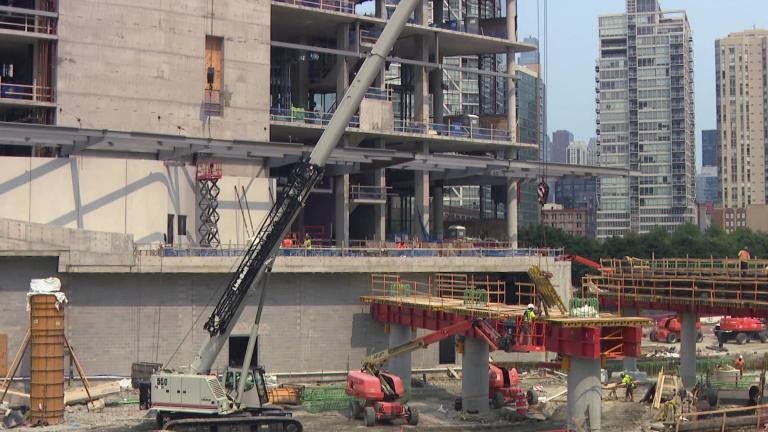
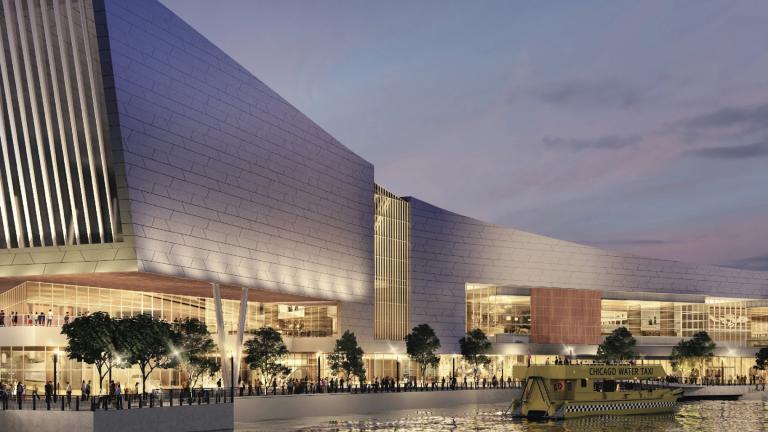
An economic impact study conducted by Christiansen Capitol Advisors, LLC, a firm hired by the mayor’s office, found legalizing video gambling machines would not trigger a windfall and could cost nearly 400 jobs at the city’s casino, run by Bally’s, scheduled to open in 2026 at its permanent location in River North.
In addition, it could prompt Bally’s to stop paying the city $4 million annually, as called for in the agreement it reached with Chicago officials in 2022 for the city’s first, and only, casino license.
“We don’t expect it to make a big impact,” Chief Financial Officer Jill Jaworski said. “Maybe we make $10 million one year and lose $5 million another.”
But several alderpeople questioned the validity of the Christiansen analysis, with Ald. Andre Vasquez (40th Ward) saying the potential job losses seemed “made up.”
Ald. Pat Dowell (3rd Ward) questioned why the Christiansen analysis did not include Rivers Casino in his analysis, noting that its revenues have increased even after Des Plaines legalized video gambling.
Ald. Jeanette Taylor (20th Ward) called the presentation of the Christiansen study “disingenuous” and called its analysis “flawed.”
Complicating the calculus, the city’s high-stakes bet that a casino could ease its financial crunch has yet to pay off, Jaworski said.
In 2023, city tax revenue from the casino reached just 25% of what city officials had projected, according to the report. In 2024, the casino’s first full year of operations, the casino brought in 47% of what officials expected in taxes for the city, according to the report.
“I voted no on the casino because I knew this was going to happen,” Taylor said.
City officials expect that to turn around once the permanent casino opens in River West, but Jaworski acknowledged it is unlikely to generate the $200 million annually for the city’s underfunded police and fire pensions the Lightfoot administration projected.
In part, that is because the number of people gambling at casinos throughout Illinois is flat, while the number of people choosing to test their luck on video gaming machines is growing, according to Christiansen’s study.
“Why snooze on what more people are using?” Vasquez asked.
But Jaworski warned that could ensure Chicago goes bust.
Legalizing video poker and slots could reduce the number of Chicagoans traveling to the casino by offering ways to blow off steam by gambling closer to home, Jaworski said.
Not only would that threaten the vibrancy of the casino, but it would hurt the city financially because the city gets more tax revenue from bets placed at its casino than on video gambling terminals, Jaworski said.
State law would allow Chicago to collect 5.15% of video gambling machine terminal revenue. By comparison, the city gets 20% of all casino slot machine revenue, officials said.
Alderpeople repeatedly pressed Jaworski to commit to asking state lawmakers to change that formula and give Chicago a larger slice of the tax revenue from video gambling.
But Jaworski repeatedly reminded committee members that state officials were unlikely to approve a measure that reduces revenue for the state at a time when it is also coping with gigantic deficits unless the city can show that everyone will rake in more winnings.
Several times, Jaworski told the committee the mayor’s finance team was not recommending the City Council legalize video gambling or urging them not to take that step, but simply attempting to make sure they did not think an extra “$100 million” could flow into the city’s coffers next year.
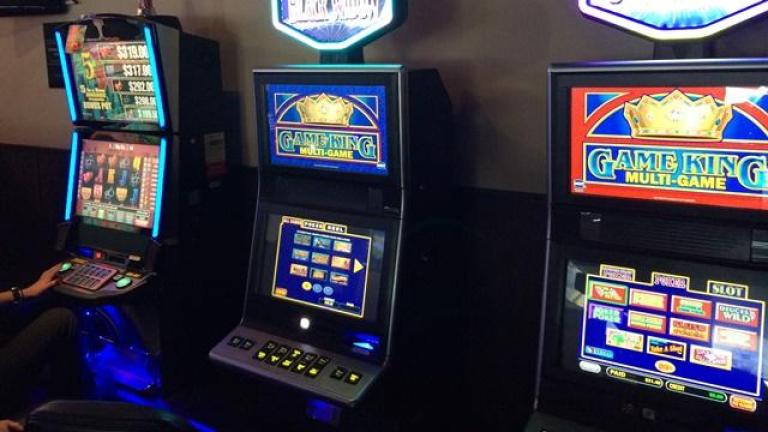
The issue is complicated by the fact that thousands of unpermitted sweepstakes machines operate in businesses across the city. Neither the city nor the state tax those machines.
The machines look like video poker machines and function in much the same way, but offer tickets redeemable for cash or merchandise, skirting the letter of the law in what Jaworski called a “gray market.”
Several alderpeople called for the city to crackdown on those machines and start taking their share of every wager – and regulating them so they do not become a nuisance for neighbors.
The popularity of those machines across Chicago has city officials “between a rock and a hard place,” Taylor said.
There is no way to know how much those machines are bringing in right now, since they are all unregulated, Christiansen said.
A measure authored by Ald. Anthony Beale (9th Ward), a frequent critic of Johnson who did not attend Monday’s hearing, would legalize video gambling citywide.
A separate measure from Ald. Gilbert Villegas (36th Ward), who also often blasts the mayor, would install video slots and video poker machines at O’Hare and Midway airports.
Contact Heather Cherone: @HeatherCherone | (773) 569-1863 | [email protected]